
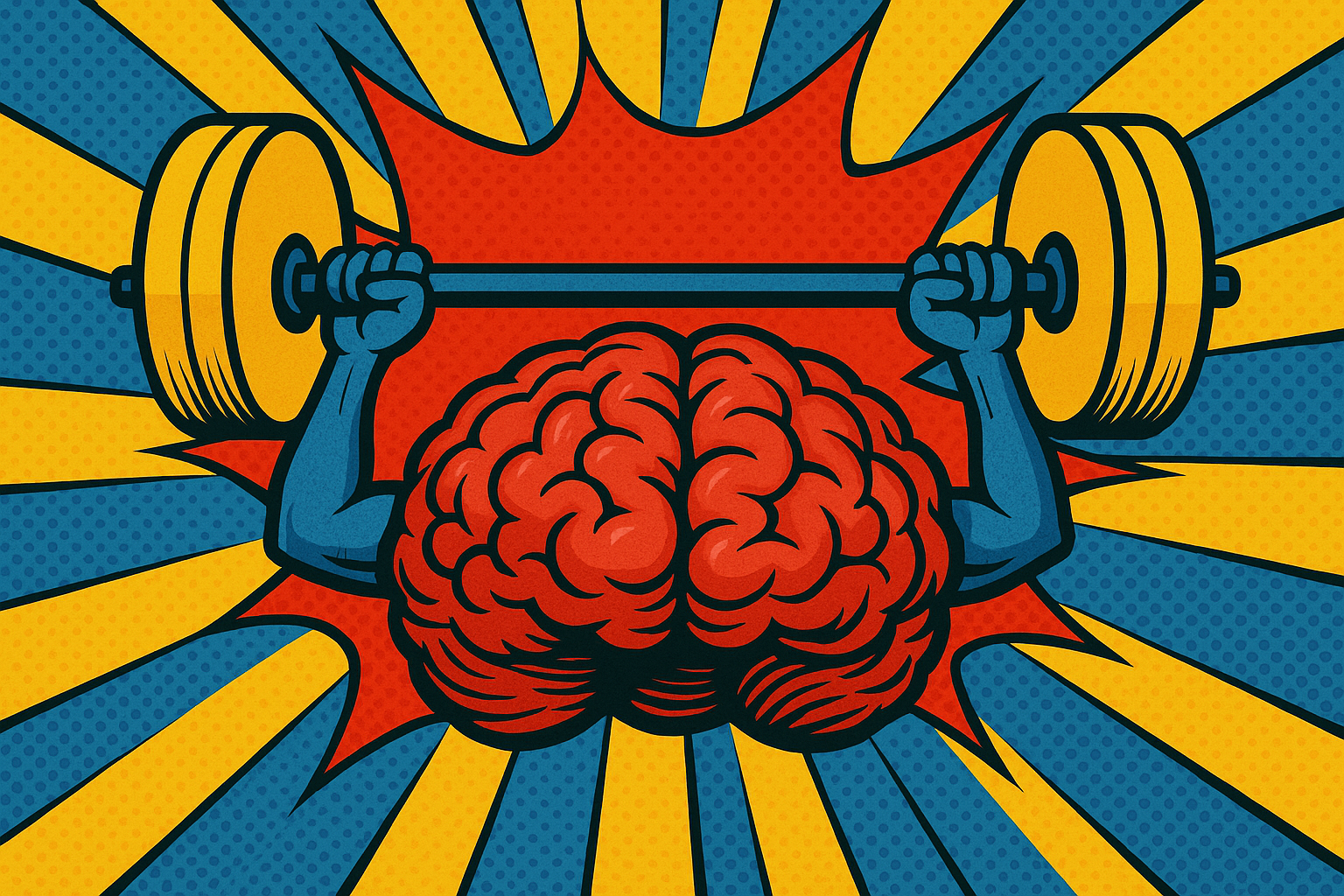
The human brain is the most powerful tool you will ever own, yet it is also one of the most neglected. We demand constant performance from long hours, quick decisions, endless stimulation while often giving it little support in return. We feed our bodies, we train our muscles, but the mind quietly carries the heaviest load.
Focus and clarity do not come from willpower alone. They are the result of consistent habits that nourish and protect the brain’s complex network of neurons. Whether you want to sharpen memory, make better decisions, or simply feel less scattered, strengthening mental performance begins with small, intentional changes.
The Modern Mind at Risk
Most people underestimate how much the digital age taxes the brain. Constant notifications, background noise, and multitasking overload the prefrontal cortex, the region responsible for focus, planning, and emotional regulation. The brain is brilliant, but it is not built for perpetual interruption.
Each distraction forces your mind to reorient. Research shows it can take nearly 20 minutes to regain full concentration after a disruption. Multiply that by a day’s worth of phone alerts and mental clutter, and it is no surprise so many people feel chronically unfocused. The solution is not to abandon technology but to reclaim attention. The brain thrives on rhythm, rest, and purpose. You cannot control every stimulus in the world around you, but you can control what earns your attention.
Fueling the Brain
Food is not just fuel for the body, it is chemistry for the mind. Every thought, emotion, and decision depends on nutrients that keep neural pathways firing efficiently. Start by stabilizing blood sugar. Processed sugars and refined carbohydrates cause energy spikes followed by mental crashes. Instead, choose complex carbohydrates, lean proteins, and healthy fats such as salmon, avocados, nuts, and olive oil. Omega-3 fatty acids are especially powerful. They build cell membranes in the brain, improving communication between neurons. Hydration also matters. Even mild dehydration can impair memory and attention. What you eat creates the environment your brain works in. Feed it well and it rewards you with steadier energy, faster recall, and clearer judgment.
The Science of Sleep
Few things influence cognitive function more than sleep. During rest, the brain clears out toxins that accumulate while awake. It consolidates memories, repairs cells, and resets emotional balance.
Sleep is often the first thing sacrificed in busy lives. Missing even one night of rest can impair attention as much as alcohol. Chronic deprivation reduces creativity, increases stress hormones, and slows problem-solving skills. To optimize brain performance, keep a consistent sleep schedule. Dim screens an hour before bed to help the body release melatonin. Aim for seven to nine hours, depending on your natural rhythm. Quality sleep is not indulgence—it is maintenance for your mind.
Move to Think Better
Physical activity is one of the most reliable ways to enhance mental clarity. Exercise increases blood flow to the brain, delivering oxygen and nutrients while stimulating the release of growth factors that support new neural connections. You do not need to run marathons to benefit. Even 20 minutes of brisk walking improves mood and boosts cognitive flexibility. Strength training, yoga, and stretching all contribute to better brain health by reducing stress hormones and improving circulation. When you move your body, you move your mind.
The Power of Pause
Modern productivity culture often glorifies nonstop motion, but the brain was never designed for constant output. Attention works like a muscle, it strengthens with use but requires rest to perform well.
Short breaks between tasks restore mental resources and prevent burnout. Stepping away from your desk to breathe deeply or take a short walk resets the nervous system. Meditation, even for five minutes, reduces activity in the brain’s default mode network, which is responsible for mental wandering and worry. Stillness is not wasted time; it is mental recalibration. Those who rest strategically often outperform those who work relentlessly.
Feed the Mind with Challenge
The brain loves novelty. New experiences trigger dopamine release, which enhances learning and motivation. Without challenge, neural pathways weaken through lack of use. Learning a language, reading diverse materials, or practicing a new skill forces the brain to adapt. Puzzles, strategy games, or even changing your daily routine stimulate memory and creativity. Growth does not end with age. In fact, research shows that lifelong learners maintain stronger cognitive function and emotional resilience well into later years. Curiosity is fuel for the brain.
Control the Input
Focus and clarity depend on what you allow into your mental space. Every conversation, article, and piece of entertainment shapes perception and mood. Be deliberate with what you consume. Spend time with people who challenge and uplift you. Read materials that stretch your thinking. Limit exposure to constant negativity in news or social media. Mental energy is finite, use it wisely. Creating boundaries around information intake is not ignorance; it is intelligence. You cannot think clearly in a mind full of static.
The Role of Mindfulness
Mindfulness is often misunderstood as relaxation, but its real purpose is awareness. It trains the brain to notice distractions without reacting to them. Over time, mindfulness strengthens the prefrontal cortex and improves emotional regulation. Practicing mindfulness can be simple. Start by observing your breathing for one minute each hour. Notice sensations in your body, the temperature in the room, the sounds around you. This anchors you to the present and reduces cognitive overload. Clarity does not always come from doing more; it often comes from learning to be fully where you are.
Consistency Over Perfection
Building a stronger brain is not about radical transformation. It is about small, consistent actions that compound over time. Ten minutes of reading each morning. One mindful walk after lunch. Turning off notifications during dinner. Each decision reinforces a pattern of respect for your mind. The more you honor it, the more it gives back—focus, creativity, emotional balance, and resilience.
A Sharper Way Forward
Your brain has an extraordinary capacity to adapt and grow. It responds to how you live every single day. Feed it well, rest it deeply, move it often, and challenge it regularly. Clarity is not a mystery. It is the natural state of a mind that is cared for.The stronger your focus, the calmer your thoughts become. The calmer your thoughts, the more powerful your decisions. And from that quiet strength, possibility expands in every direction.