
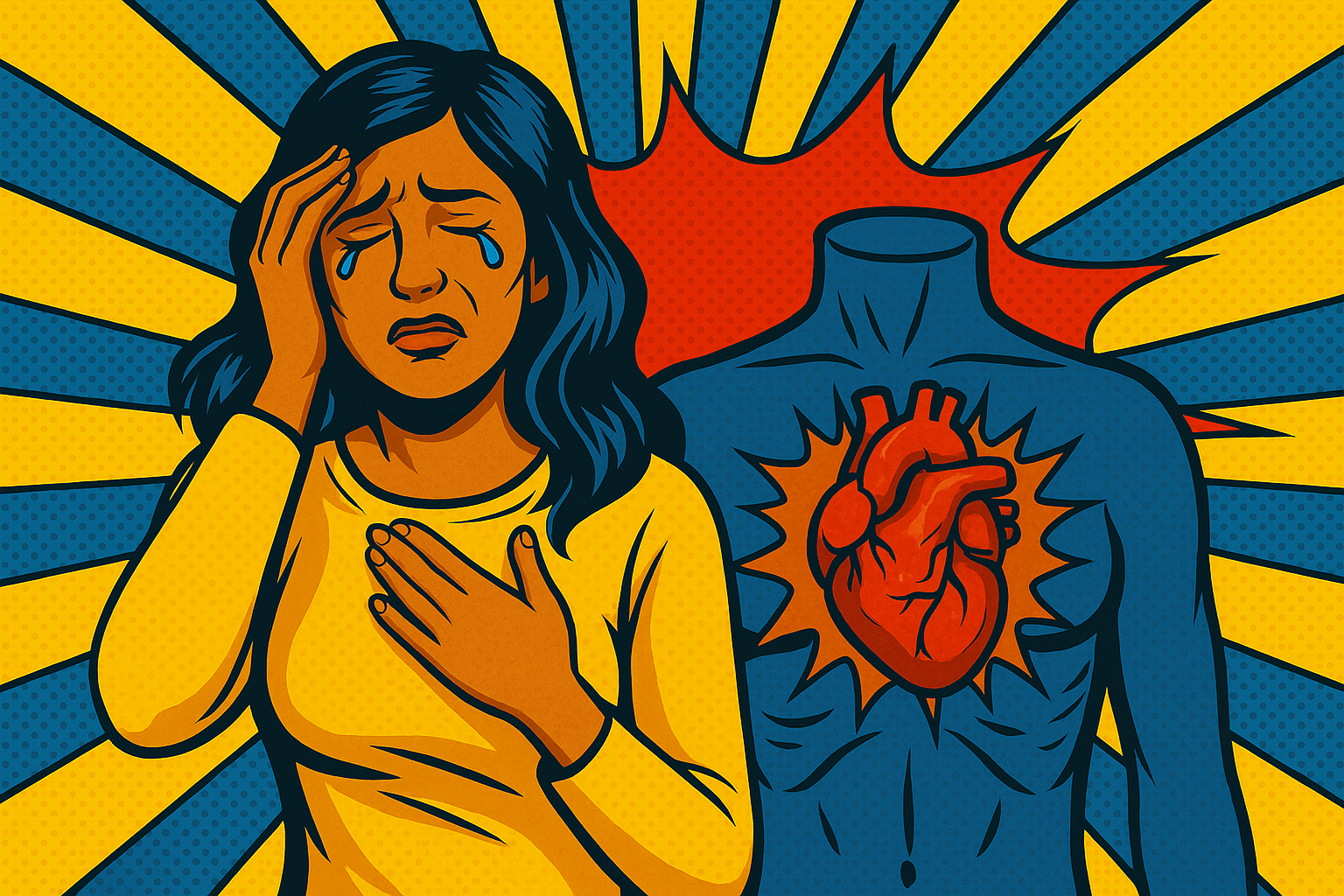
Your body remembers what your mind tries to forget. When loss hits, you feel it everywhere: chest tight, shoulders heavy, stomach twisted into knots. This isn’t weakness or imagination. Grief rewrites your biology in ways that science is only beginning to understand, and the physical pain you experience is as real as any injury you can see.
Most people think grief lives in their thoughts, something to process mentally and move past. The truth runs deeper. Grief triggers a cascade of neurochemical changes that alter your cardiovascular system, immune response, and pain sensitivity. Your body holds this experience long after your mind believes it has moved on, creating symptoms that can persist for months or years if left unaddressed.
Understanding the science behind grief’s physical impact isn’t academic curiosity. It’s the key to genuine healing and personal growth. When you know why your body responds the way it does, you can work with your neuroscience rather than against it.
The Brain’s Threat Response System
Your brain interprets loss as an existential threat, activating the same emergency systems designed to keep you alive in physical danger. The moment grief hits, your amygdala sounds the alarm, triggering your hypothalamus to flood your system with stress hormones like cortisol and adrenaline.
This stress management response served our ancestors well when threats were immediate and physical. But grief creates a different kind of emergency: one your nervous system struggles to categorize or resolve. Your sympathetic nervous system stays activated, keeping your heart rate elevated, blood pressure high, and muscles tensed for action that never comes.
The neuroscience of behavior reveals something crucial here: your brain cannot distinguish between physical and emotional pain. The same neural pathways that process a broken bone also process a broken heart. This overlap explains why grief literally hurts, why people describe feeling “gutted” or “crushed.” Your pain receptors are firing as if you’ve sustained actual injury.
Research shows that bereaved individuals experience measurable changes in blood chemistry within hours of loss. Stress hormones spike, inflammatory markers rise, and immune function begins to decline. Your body’s entire operating system shifts into survival mode, preparing for threats that exist only in your emotional landscape.
Physical Symptoms That Science Can Measure
Grief doesn’t stay in your head. It moves through your body systematically, creating symptoms that emergency room doctors recognize immediately. Chest tightness, shortness of breath, and heart palpitations are so common in acute grief that medical professionals call it “broken heart syndrome”: a real condition where extreme emotional stress actually changes the shape of your heart muscle.
Your digestive system responds equally dramatically. The gut-brain connection means emotional trauma directly impacts your stomach, causing nausea, loss of appetite, and digestive irregularities that can last weeks. Your body prioritizes immediate survival over long-term functions like proper digestion, redirecting resources to manage the perceived crisis.
Muscle tension becomes chronic as your body remains in a constant state of readiness. Your shoulders carry the weight of loss, your jaw clamps down on words you cannot say, and your back aches from supporting emotions too heavy to bear. This isn’t metaphorical language: it’s measurable muscle contraction and inflammation.
Sleep patterns fragment as your hypervigilant nervous system struggles to power down. Your brain scans constantly for additional threats, making the deep rest necessary for emotional processing nearly impossible. This sleep disruption compounds every other symptom, creating a cycle where physical exhaustion makes emotional resilience even more difficult to maintain.

Why Emotions Get Trapped in Your Body
Emotions follow a natural cycle in healthy nervous systems: recognition, response, and resolution. When this cycle completes, the emotional energy moves through your body and dissipates. But trauma and overwhelming grief can interrupt this process, leaving emotional energy stuck in your tissues.
Your body stores what your mind cannot process. When grief overwhelms your conscious capacity to cope, your unconscious mind archives the experience in your muscles, organs, and cellular memory. This storage system evolved as a survival mechanism, allowing you to function during crisis while deferring full emotional processing until safety returns.
The problem arises when that “safe” moment never comes, or when cultural conditioning teaches you that emotional expression equals weakness. Suppressed grief doesn’t disappear: it calcifies into chronic tension, persistent fatigue, and unexplained physical symptoms that conventional medicine struggles to treat.
Understanding human behavior patterns around emotional expression reveals why this happens so frequently. Most people learn early to push through pain rather than process it, to stay strong rather than feel deeply. This conditioning creates adults whose bodies carry decades of unprocessed emotional experiences, including grief that was never allowed to complete its natural cycle.
Self-awareness about your own emotional processing patterns is crucial for breaking this cycle. Notice how you respond to overwhelming feelings. Do you automatically distract yourself, stay busy, or minimize the impact? These strategies might help short-term functioning but they often prevent long-term healing.
Releasing Grief Through Your Body
Recovery requires engaging your body’s natural healing mechanisms rather than bypassing them. The path forward involves both allowing emotions to move through you and actively supporting your nervous system’s return to baseline functioning.
Movement activates multiple brain regions simultaneously, creating new neural pathways that help integrate difficult experiences. This doesn’t mean intense exercise: sometimes gentle stretching, walking, or even trembling releases trapped energy more effectively than vigorous activity. Your body knows how to discharge emotional tension if you create space for it to happen.
Crying serves a specific biological function that goes beyond emotional release. Tears contain stress hormones, literally removing them from your system while triggering the release of endorphins that naturally reduce pain. Suppressing tears interferes with this built-in recovery mechanism.
Breathwork directly impacts your autonomic nervous system, shifting you from sympathetic activation back toward parasympathetic rest and recovery. Deep, intentional breathing signals safety to your brain, allowing your body to begin the healing process grief interrupted.
Touch and massage help discharge trapped emotional energy through your largest sensory organ. Professional bodywork can be particularly effective for grief that has settled into chronic muscle tension, as skilled practitioners can identify and release areas where emotional trauma has taken up residence.

Building Long-Term Emotional Intelligence
True healing from grief requires developing the emotional intelligence to recognize when loss is affecting your body before symptoms become entrenched. This means learning to read your body’s signals as information rather than problems to solve immediately.
Your nervous system communicates constantly through physical sensations, energy levels, and comfort or discomfort in different situations. Building self-awareness around these signals helps you intervene early when grief begins accumulating in your tissues.
Developing resilience doesn’t mean avoiding emotional pain: it means building capacity to stay present with difficult experiences while maintaining your basic functioning. This requires practices that keep your nervous system flexible and responsive rather than stuck in chronic activation.
Regular mindfulness and body awareness practices create the foundation for healthy emotional processing. When you know what your body feels like in its natural state, you can notice more quickly when grief or trauma begins to alter your baseline experience.
Focus and clarity about your emotional patterns also supports decision-making during difficult times. Understanding how grief affects your thinking, judgment, and capacity helps you make choices that support healing rather than prolonging suffering.
The goal isn’t to eliminate grief: loss is part of human experience. The goal is developing the skills to move through grief in ways that honor both your emotional truth and your body’s wisdom, allowing natural healing processes to unfold without interference.
Your body holds pain because it’s trying to protect you, to process what your conscious mind couldn’t handle in the moment of impact. Learning to work with this protective system rather than against it transforms grief from something that breaks you into something that ultimately strengthens your capacity for both love and loss.